A Deliciously Weird Halloween History
You could call it spine-tingling, but that is an understatement. For two millennia Halloween has been changing in quiet ways and between the ancient bonfires and the cobwebs you can pick up at a dollar store, no one seems to have asked why. It is all progress of a sort. What was once a sober affair of Celtic harvest rites and Christian observance is now a night for adults to get into an argument over whether a fun-size or full-size bar is the better option.
The Origins
All Hallows’ Eve is what “Halloween” is short for, the eve of All Saints on the first of November and All Souls on the second. The Western church put these three days aside as Allhallowtide to pay respects to the dead and the saints. One might say the church had more martyrs than they had days in the calendar, so a scheduling fix was in order. Bureaucracy has been making a mess of calendars since the ninth century.
By the 800s the churches of Ireland and Britain were holding feasts for the saints; the Frankish Empire put it in writing in 835. Whether you credit the Celts, the Germans, or an overburdened Rome trying to control pilgrim traffic from the summer is a matter for historians to bicker over. There has never been any serious move to alter the date, which is about as close to a consensus as history gets.
A Matter of Celtic Opinion
The church was not always part of the equation. In the old days, the Celtic peoples of the Isle of Man, Scotland and Ireland would mark Samhain to see off the harvest and welcome winter. On those liminal nights the divide between this world and the Otherworld was thought to be thin. You would put food out, not from the goodness of your heart, but as a kind of insurance to keep from offending anything that might see to the destruction of next year’s yield. Quite sensible.
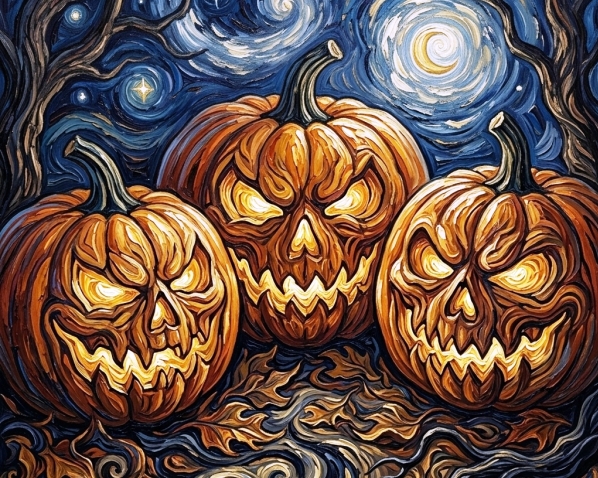
They lit bonfires and made a show of walking their livestock through them for good measure. Divination with apples or molten lead was common enough. And then there were the costumes, donned to either put on an act for the spirits or to elude them, depending on the folklorist. They even made do with hollowed out turnips for lanterns until folks in North America realised pumpkins are far less work to carve. A small mercy.
From Soul Cakes to Trick-or-Treating
In England and Wales by the late Middle Ages you would find children and the like going from door to door in Allhallowtide to collect soul cakes in return for a prayer for the departed. The cross on the cake told you it was alms. Most would agree this is where trick-or-treating comes from, if the terms of trade have been revised to involve a lot more chocolate and fewer prayers.
Then there was guising, the practice of putting on a costume and reciting a verse for your supper. It was well known in the British Isles for ages before it made its way to England in the 20th century and over to the Atlantic.
Making the Crossing
It took until the 19th century for the tradition to put down roots in America, mostly thanks to the Irish and Scottish who came over. Puritans in New England would have none of it, regarding it with the same wariness they did Christmas. But once it was here it did not take long to permeate the mainstream culture by the early 1900s.
Halloween in the Present Day
There is still a nod to the past in modern Halloween, even if the reason for it is lost on most. Haunted houses and bonfires are holdovers from when people wanted to keep the dead at a polite distance. These days you are more likely to make a run to Halloweensky for your decorations than to carve a turnip by hand. Some Christians will still put some stock in the religious aspect of Allhallowtide, but for the rest of us it has been reduced to something more straightforward: a bit of harmless fun, some candy and a costume, all resting on a history that was never properly put to paper.